‘Getting lost to be found’ is day 0 of 21 Days of Wayfinding
‘This is the experience you’ve always needed even if you’ve never realised it. It makes you feel powerful and excited and capable. You work as a team, a community and you solve problems using all the skills you didn’t realise you have. It doesn’t matter what you do or what you know, this will make you better.’
The uStart project and ‘Work in Progress’ service I work with is slowing to potentially hit its timeline and funding buffers. It’s hard to comprehend that Higher Education still doesn’t value or even seem to get the human capacity building work that underpins the impact it aims to have in the world.
I’m at an intersection, searching for a new path, maybe retracing steps to explore old ones to find the future direction of the work.
All I know for sure is unlearning mindsets to try out new ones, exploring tools, time with mentors, and crafting clarity with others who care to make a difference, is life’s great secret for wayfinding.
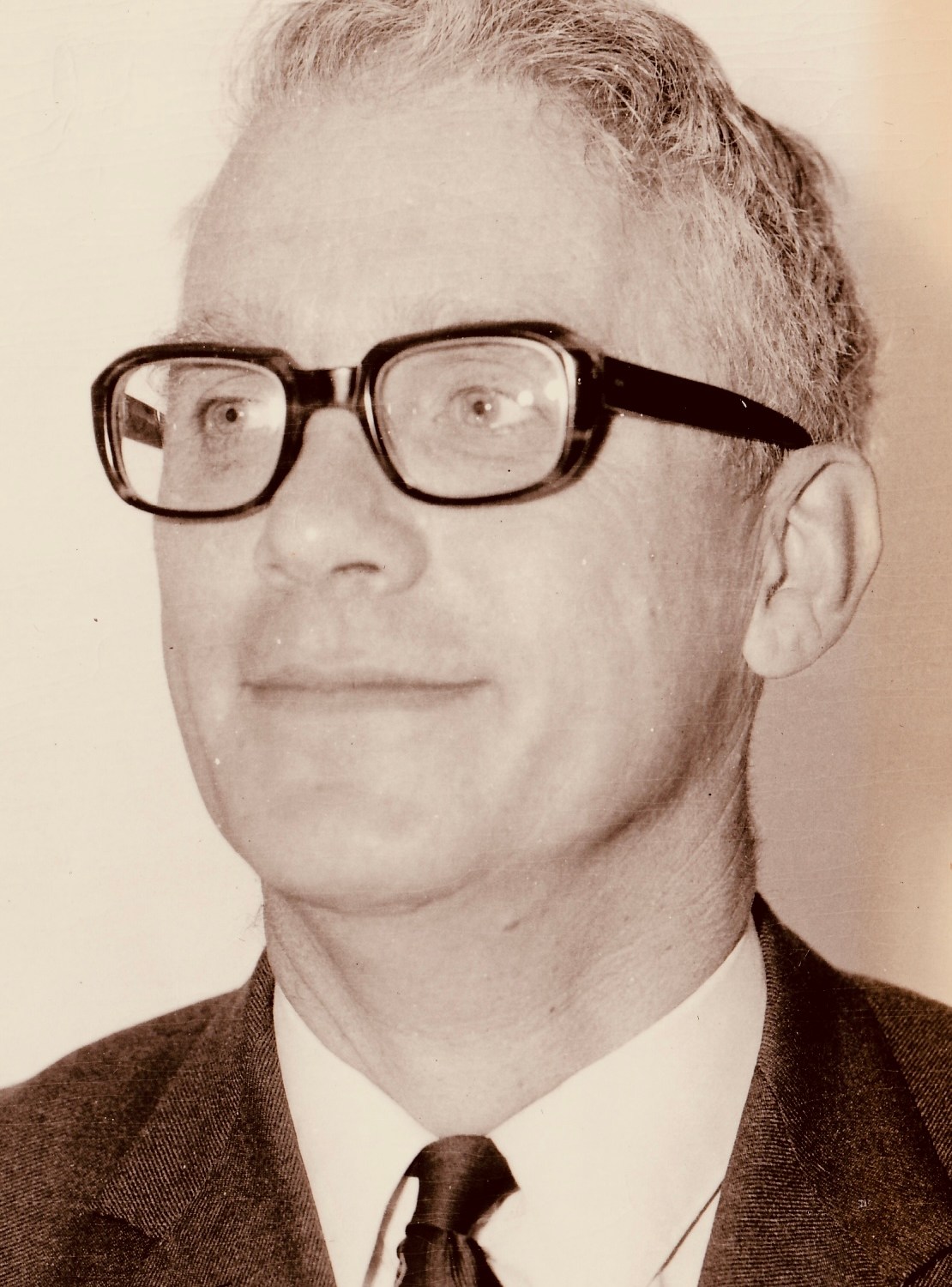
My Uncle John was a way finder. A shy, quiet and thoughtful man of routine and simple pleasures; he never married. He lived with and looked after my Nana and held a responsible job as a power station manager. He polished his shoes religiously each night; dressed each morning in a freshly laundered formal shirt, complete with silver shirt sleeve holders, and striped braces under his tweed suit jacket. He headed off to work at the same minute weekdays, with his brown leather Gladstone bag.
Weekends he immersed solitary persuits; days out walking in the moors, and sailing in the sea, returning to fill his boots with my Nana’s Welsh home cooking.
Uncle John was my mums brother. He was 18 years her senior. When my grandfather died he stepped up to look after after my Nana and my mum who was a young girl of 16.
When I was packed off to boarding school in the UK at age 10, from the merriment of ‘70s expat family life, Uncle John was the closest person I had to a grandfather figure, three hours away in Plymouth .
Terms (semesters) were long in the routine of a permanent school timetable. My end of ‘Prep’ ritual each night, was crossing off another day on my school pocket calendar. ‘One day nearer…’ to the twice termly Exeat Day’; days when I knew Uncle John would wash and polish his treasured Ford Capri, before making the long drive from Plymouth to Guildford.
Seasides, cathedrals…I didn’t care where we went. Day release from the school grounds was a longed for escape to family connection.
In the half term holiday we’d head to Uncle John and Nana’s house in Plymouth. I’d navigate from Surrey to Devon with the big AA map on my lap, studying the map pathways, symbols and place names. I called out the road numbers and junctions, enjoying the trust he put in me to find the way.
He’d humour and encourage me, following my intuition. It didn’t occur to me that he knew the way. I loved the shared endeavour; being a co-pilot, and getting us safely to our destination. A home.
Keen to nurture my fascination with maps, Uncle John invited me one half term break to a day in the vast moorland of Dartmoor National Park. ‘I’m off’ he said. ‘Will you join me for a walk?
We set off, an odd couple across the craggy landscape. He in his walking jacket, boots and backpack with flask. Me unsuitably clothed in my flared grey cords, brown school shoes and black school cape.
In my mind at least, a walk was a relatively short, pleasurable journey with a start, a known length and a certain return path return to the beginning; and probably cake. I asked him where we were going and how long we’d be. ‘Wait and see… We’re going on an adventure.’
There was no Dartmoor Guide Book in the backpack. There were no signs to help us navigate the space; there was barely a path. We journeyed by map and compass through the wildernesses, Uncle John modelling wayfinding in a never ending landscape of forests, rivers, wetlands and tors.
Now and again he would stop and show me our position, and how to use the directional tools in our hands, interpreting the contextual clues in the enormous landscape. Some were bold and obvious, while others offered more subtle guidance. He encouraged me to make the next decision, and to course correct where I went off track.
Every step was uncertain. Soundtracks in my head… ‘What if you choose the wrong path, or there is no path, or worse, a dead end?’ ‘What if you get it wrong?’ What if we don’t make it home?
‘What if we just try it and see what we learn…’ he said.
I don’t remember arriving at the final destination. It had seemed so important during the journey.
Uncle John was an explorer. He embraced the thrill of adventure; navigating the uncertainty, exploring the surprises in the landscape or the sea around him. He trusted his intuition, the tools in his hand to craft clarity, and the discovery of the journey.
Until today the only replay in my mind of that day has been holding the map and compass feeling lost.
I buried the shame of my silent frustration; The desire to be told the answer and yomp quickly home.
I can look back now with self compassion. My frustration was exposure to the discomfort of the very natural productive struggle of learning by doing.
The patient encouragement of a mentor who wouldn’t tell you the answer, and didn’t expect you to get it right first time was something I’d never experienced. He held a space for me to discover the pathway, and a variety of possible answers and options for myself.
The epiphany in this piece is that Uncle John is helping me today to sensemake and articulate the philosophy of what my work has evolved to be.
In my work I share tools, process and mindsets that help learners begin to uncover the world of potential within them, through a journey of ambiguity and challenge in the world around them.
The 21 day writing challenge I’m starting today is an adventure. It’s a journey of unearthing fragments of stories suspended in consciousness and attaching new perspectives to their part in shaping my life.
We lost Uncle John in the Himalayas soon after he retired. His heart couldn’t withstand the altitude of Everest base camp.
Behind the dutiful and seemingly ordinary man, who had made it his life to step in for his father, was a pirate and an adventurer. He was lost to us finding himself, doing just what he’d always dreamed of.
I’ll trust my wayfinding skills in the next 21 days, writing and publishing spontaneous work that’s imperfect and experimental, to see where it leads.
I’ll wholeheartedly navigate the ups and downs, the failures and dead ends, the retracing of steps; the freedom of discovery.
What if we just try it and see what we learn?
To being a pirate and an explorer.
Post Script… Evidence of Impact
Even if the economic buyer isn’t ready for it it – This is what the results of capacity building feel like in the eyes of the learners…
‘This is the experience you’ve always needed even if you’ve never realised it. It makes you feel powerful and excited and capable. You work as a team, a community and you solve problems using all the skills you didn’t realise you have. It doesn’t matter what you do or what you know, this will make you better.’
It develops skills and methods of impact otherwise left completely unknown and seen as scary.
Just do it! The experience has been so rewarding and I feel like I’ve learned so much from it!
Just do it, even if you think youre too arty, crafty, too sciency, too whatever… you have so much you can bring
This course has provided many transferable skills that I can use in my research.
I feel confident about commercialising my research work through support and training with Work in Progress
I wish I had an opportunity to get business / entrepreneurship training when I was an undergrad.
I promise if you take part in Engagement Academy, you’ll smash it!
It makes you realise you already have the attributes. It brings them out in you.
An amazing programme to learn lots of useful skills.
Superb at building confidence in making your research into something sustainable with huge impact.
Do it! No matter what discipline you’re from it will improve your skills and research
Please fund this initiative can really make a difference to both PGR development and to society as a whole.
This is how you can create real impact. The goal should be to get it to as many students as possible in all disciplines.
WIP isn’t just valuable for helping develop entrepreneurship but it is valuable to helping an interdisciplinary, inter year PhD cohort.
A valuable opportunity for a PGR
Don’t disregard this valuable resource!
WIP increase the value of impact and research – it is good for the researchers and the university
Projects like this take PhD research to the masses, the funders, the money.
It’s a diversity cultural place can generate a lot creative ideas!
The workshops and the research internship opportunities of WIP definitely suit my demand and help me.
Anyone can actually be an entrepreneur with the right training from Work in Progress Team.
Universities should add business trainings to all departments, programmes, maybe even high schools.
 AmandaBrooks.me